
Secure Foods

Antimicrobial resistance (AMR)
AMR develops when bacteria, fungi or viruses are exposed to antibiotics, antifungals or antivirals. As a result, the antimicrobials become ineffective and infections may persist. In addition, medical interventions including surgery, chemotherapy and stem cell therapy may become impossible.
AMR is considered the biggest global threat of Health and Food Safety.
AMR Insights
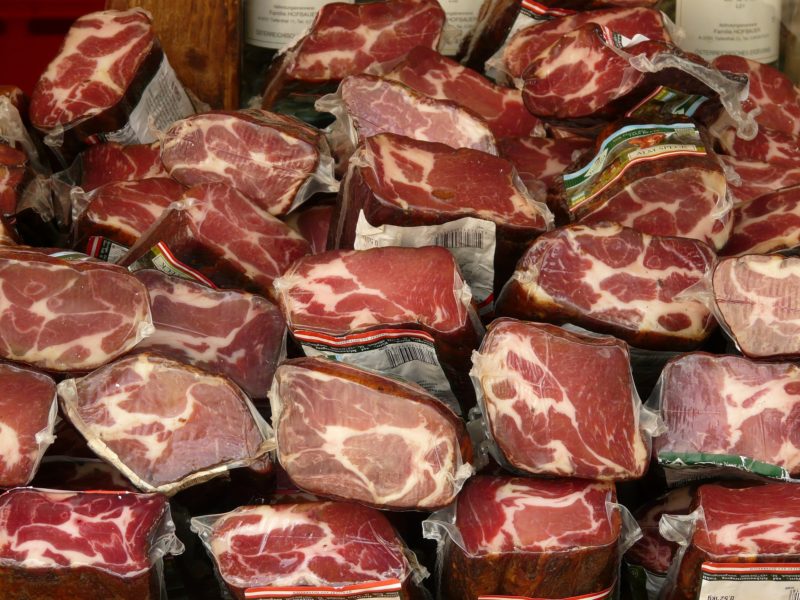
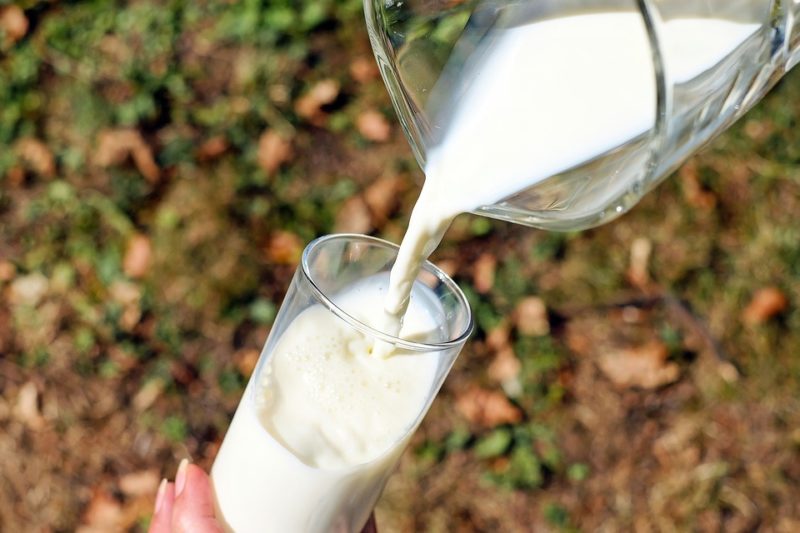
For Food professionals who wish to prevent Antimicrobial resistance in raw materials, intermediate and finished dairy, meat and other food products, AMR Insights offers selected, global information and data, specific education and extensive networking and partnering opportunities.
AMR Insights is for:
- Farmers and other agrifood primary producers
- Quality staff in Food, Dairy and Meat processing companies
- Lab technicians in contract research and analysis laboratories
- Regulatory authorities staff
- Quality staff in Retail

Latest Topics
-
 23 March 2026
Antimicrobial Resistance Along the Food Chain: Spread and Integrated Strategies for Mitigation and Control
Antimicrobial resistance (AMR) is a growing global threat driven not only by misuse in human medicine, but also by extensive and often inappropriate use of antimicrobials in animals, agriculture, and aquaculture. Resistant pathogens can enter the food chain, with over 10% of food samples found to contain antimicrobial-resistant organisms. The veterinary sector plays a major […]
Read more... -
 20 March 2026
Genomics of Antimicrobial Resistant Campylobacter Transmission Through UK Agri-Food Systems
This UK research uses genomic sequencing to better understand how antimicrobial-resistant Campylobacter spreads through the agri-food system—from farm animals to food and ultimately humans. By analysing bacterial genomes across the “farm-to-fork” chain, the study aims to identify key transmission routes, reservoirs, and resistance mechanisms, enabling more precise tracking of infections and sources. The findings highlight […]
Read more... -
 20 March 2026
Aquaculture’s role in the growing threat of antimicrobial resistance
Aquaculture (fish and seafood farming) is increasingly recognized as an important but underappreciated driver of antimicrobial resistance (AMR). The use of antibiotics in these systems can create ideal conditions for resistant bacteria to develop and spread, with aquatic environments acting as reservoirs and amplification points for resistance genes. These resistant bacteria can reach humans through […]
Read more...
More news related to Secure food


