
The Value of Vaccines in Mitigating Antimicrobial Resistance in Kenya
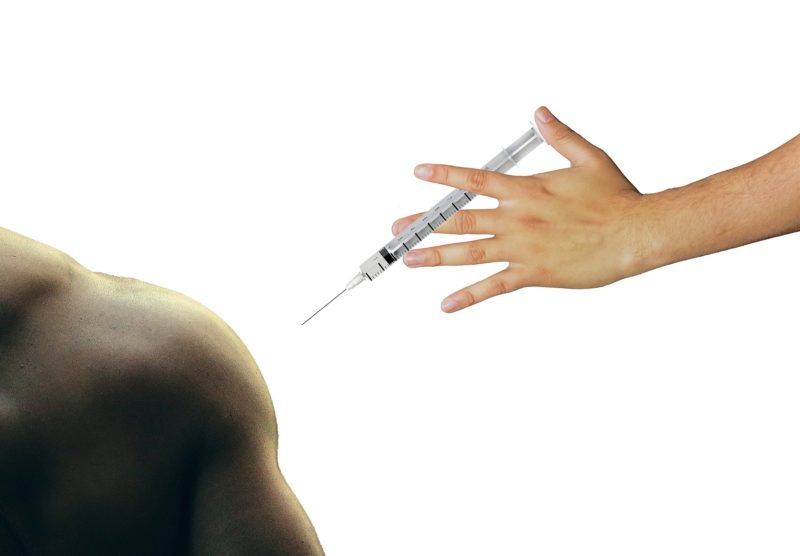
Antimicrobial resistance (AMR) is an escalating global health crisis, responsible for an estimated 1.14 million deaths in 2021 and driven largely by the overuse and misuse of antibiotics in human and animal health, leading to the survival and spread of resistant microorganisms. Vaccination offers a highly effective and cost-efficient strategy to mitigate AMR by preventing infections, reducing transmission, and lowering the need for antimicrobial treatments, thereby decreasing selective pressure for resistance; evidence from Kenya demonstrates this impact, with substantial declines in penicillin-resistant Streptococcus pneumoniae, invasive pneumococcal disease, and malaria incidence following vaccine introduction. A One Health approach, including vaccination in both humans and animals, is essential given cross-species transmission, yet vaccines remain underutilized in AMR strategies, as reflected in Kenya’s 2023–2027 AMR action plan, which lacks a clear implementation framework. Strengthening AMR mitigation therefore requires explicit integration of vaccination through increased coverage of existing and new vaccines (e.g., typhoid conjugate vaccine), addressing vaccine hesitancy, and improving equitable access and distribution.
OUR UNDERWRITERS
Unrestricted financial support by:
 |
Antimicrobial Resistance Fighter Coalition |
 |
INTERNATIONAL FEDERATION PHARMACEUTICAL MANUFACTURERS & ASSOCIATIONS |
 |
BD |
AMR NEWS
Your Biweekly Source for Global AMR Insights!
Stay informed with the essential newsletter that brings together all the latest One Health news on antimicrobial resistance. Delivered straight to your inbox every two weeks, AMR NEWS provides a curated selection of international insights, key publications, and the latest updates in the fight against AMR.
Don’t miss out on staying ahead in the global AMR movement—subscribe now!


