
Role of Trace Elements in Antimicrobial Resistance Dynamics
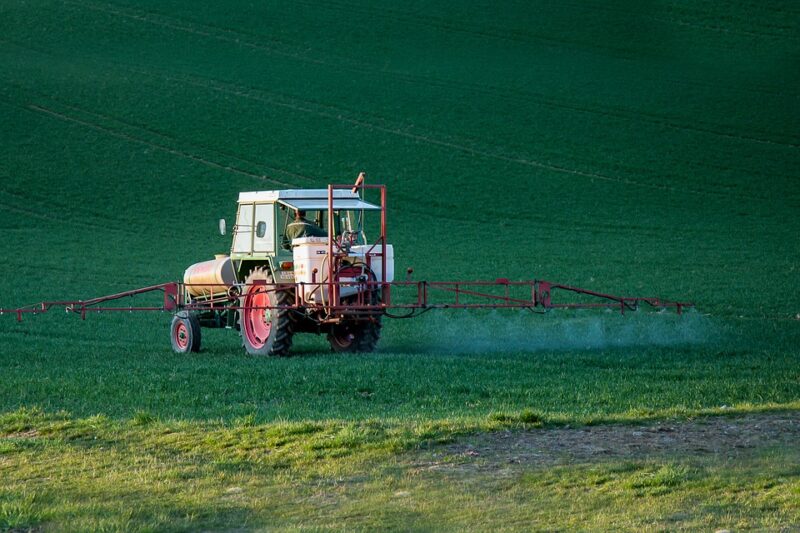
Agricultural systems increasingly accumulate nonantibiotic pollutants—such as metals from fertilizers, pesticides, and animal waste, as well as engineered nanoparticles—that exert long-term selective pressure on soil and aquatic microbiomes. These stressors reshape microbial communities and accelerate the horizontal transfer of antibiotic resistance genes via conjugation, transformation, transduction and membrane-vesicle transport. Notably, sub-lethal nanoparticle exposure can even drive “nano-resistance” and co-select for AMR. By synthesizing these mechanisms, the study underscores the need to re-evaluate agricultural pollution management, including setting stricter limits for metal contamination and regulating nano-agrochemicals, to curb the environmental drivers that fuel antimicrobial resistance.
OUR UNDERWRITERS
Unrestricted financial support by:
 |
Antimicrobial Resistance Fighter Coalition |
 |
INTERNATIONAL FEDERATION PHARMACEUTICAL MANUFACTURERS & ASSOCIATIONS |
 |
BD |
AMR NEWS
Your Biweekly Source for Global AMR Insights!
Stay informed with the essential newsletter that brings together all the latest One Health news on antimicrobial resistance. Delivered straight to your inbox every two weeks, AMR NEWS provides a curated selection of international insights, key publications, and the latest updates in the fight against AMR.
Don’t miss out on staying ahead in the global AMR movement—subscribe now!


