
Linking aquaculture practices to antibiotic occurrence, accumulation, and environmental risk in freshwater systems
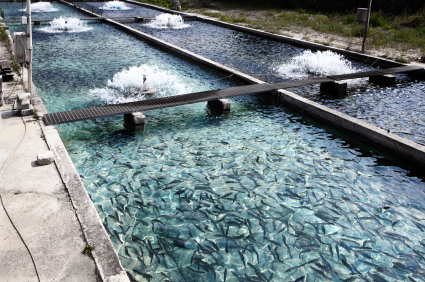
The study investigates how freshwater aquaculture contributes to antibiotic contamination in surrounding ecosystems. Researchers analyzed water outflows, sediments, and aquatic organisms downstream of fish farms and screened for 23 antibiotics. Four compounds—enrofloxacin, doxycycline, oxytetracycline, and florfenicol—were detected, with enrofloxacin and doxycycline occurring most frequently and at the highest concentrations. Significant accumulation of antibiotics was found in sediments and molluscs, indicating persistence and potential bioaccumulation in aquatic food webs. Environmental risk assessments showed high to extremely high ecological risks, particularly in sediments, and identified juvenile salmonid farms as major pollution hotspots. The findings highlight freshwater aquaculture as an important but often overlooked source of environmental antibiotic pollution, underscoring the need for stronger monitoring, reporting, and regulation to reduce antimicrobial contamination and the potential development of antimicrobial resistance in aquatic environments.
OUR UNDERWRITERS
Unrestricted financial support by:
 |
Antimicrobial Resistance Fighter Coalition |
 |
INTERNATIONAL FEDERATION PHARMACEUTICAL MANUFACTURERS & ASSOCIATIONS |
 |
BD |
AMR NEWS
Your Biweekly Source for Global AMR Insights!
Stay informed with the essential newsletter that brings together all the latest One Health news on antimicrobial resistance. Delivered straight to your inbox every two weeks, AMR NEWS provides a curated selection of international insights, key publications, and the latest updates in the fight against AMR.
Don’t miss out on staying ahead in the global AMR movement—subscribe now!


