
Combinations of colistin and bacteriocins prevent the selection of colistin resistance in Acinetobacter baumannii
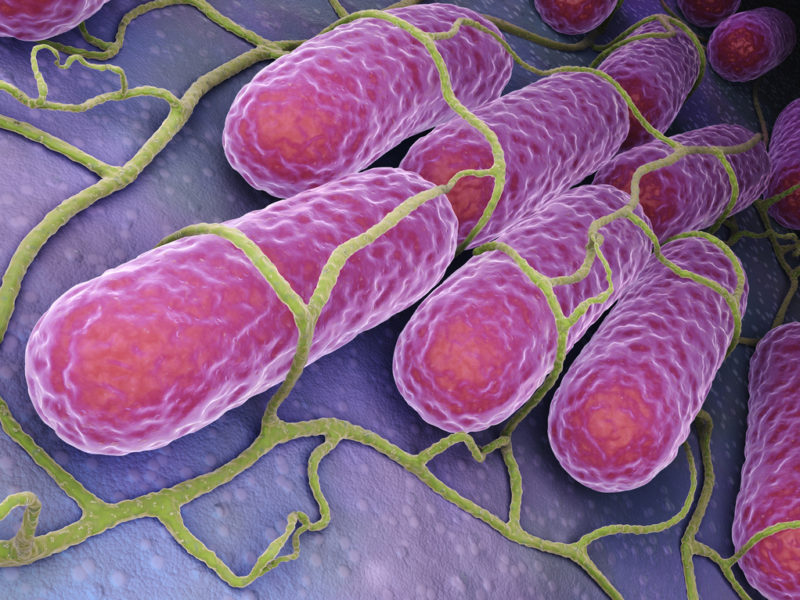
Acinetobacter baumannii is a hospital-associated bacterium that is often resistant to many antibiotics, making infections difficult to treat. This study examined how the last-resort antibiotic colistin affects the bacterium and found that it disrupts bacterial membranes and reduces energy production, but resistant mutants can still quickly emerge and some bacterial cells can tolerate the drug. Researchers tested whether bacteriocins—small antimicrobial peptides produced by bacteria—could enhance colistin’s effect. They discovered that combining low doses of bacteriocins with colistin significantly reduced bacterial survival, limited the emergence of colistin-resistant mutants, and partially restored susceptibility in resistant strains. The results suggest that combining bacteriocins with existing antibiotics could be a promising strategy to improve treatment of multidrug-resistant infections.
OUR UNDERWRITERS
Unrestricted financial support by:
 |
Antimicrobial Resistance Fighter Coalition |
 |
INTERNATIONAL FEDERATION PHARMACEUTICAL MANUFACTURERS & ASSOCIATIONS |
 |
BD |
AMR NEWS
Your Biweekly Source for Global AMR Insights!
Stay informed with the essential newsletter that brings together all the latest One Health news on antimicrobial resistance. Delivered straight to your inbox every two weeks, AMR NEWS provides a curated selection of international insights, key publications, and the latest updates in the fight against AMR.
Don’t miss out on staying ahead in the global AMR movement—subscribe now!


