
Climate change and antimicrobial resistance
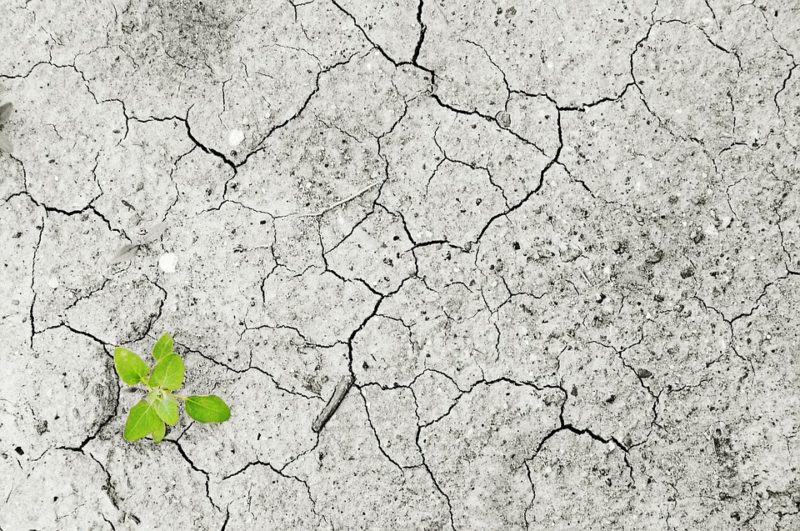
Climate change is increasingly associated with extreme weather events that heighten risks of infectious disease outbreaks and food insecurity, while antimicrobial resistance (AMR) limits effective treatment options. Evidence shows correlations between higher temperatures, extreme weather, and increased AMR levels, but it remains unclear whether these links are causal or reflect parallel human-driven changes. Current research suggests climate change most strongly influences AMR indirectly—by increasing infectious disease incidence and, consequently, antimicrobial use—rather than through direct environmental effects alone. However, gaps in evidence on timing and causality persist, underscoring the need for further research to clarify these complex relationships.
OUR UNDERWRITERS
Unrestricted financial support by:
 |
Antimicrobial Resistance Fighter Coalition |
 |
INTERNATIONAL FEDERATION PHARMACEUTICAL MANUFACTURERS & ASSOCIATIONS |
 |
BD |
AMR NEWS
Your Biweekly Source for Global AMR Insights!
Stay informed with the essential newsletter that brings together all the latest One Health news on antimicrobial resistance. Delivered straight to your inbox every two weeks, AMR NEWS provides a curated selection of international insights, key publications, and the latest updates in the fight against AMR.
Don’t miss out on staying ahead in the global AMR movement—subscribe now!


