
Biofilm removal in hospital sink drains drives unintended surges in antibiotic resistance
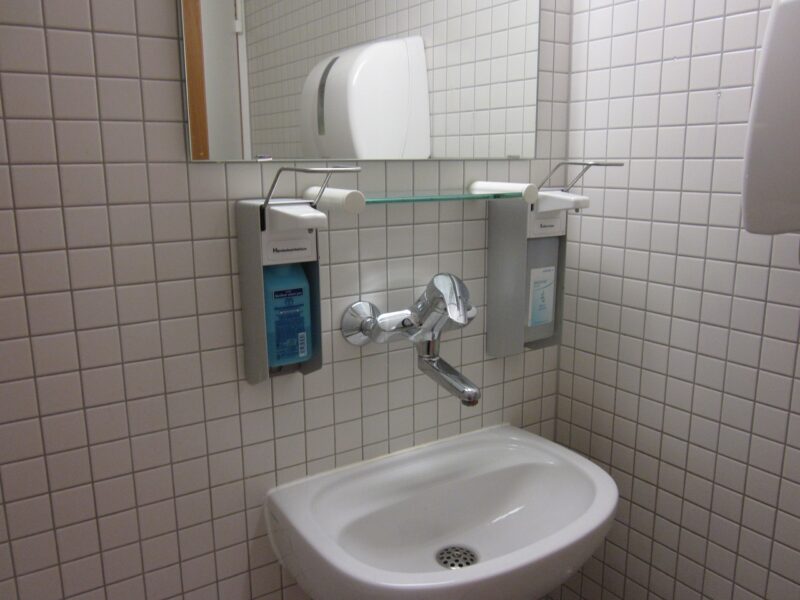
This study shows that replacing contaminated hospital sink plumbing may unintentionally worsen antimicrobial resistance risks. Using shotgun metagenomic sequencing and microbial culture in ICU sink drains, researchers found that newly replaced plumbing developed biofilms with a higher abundance of Enterobacteriaceae, along with an increased load of antimicrobial-resistance genes, including clinically important and mobile resistance genes. The findings suggest that removing established biofilms can disrupt microbial ecosystems, allowing resistant bacteria to recolonize and proliferate. Rather than solving the problem, plumbing replacement may therefore create conditions that favor antimicrobial-resistant Enterobacterales, highlighting the need for more nuanced, ecology-informed infection control strategies in hospitals.
OUR UNDERWRITERS
Unrestricted financial support by:
 |
Antimicrobial Resistance Fighter Coalition |
 |
INTERNATIONAL FEDERATION PHARMACEUTICAL MANUFACTURERS & ASSOCIATIONS |
 |
BD |
AMR NEWS
Your Biweekly Source for Global AMR Insights!
Stay informed with the essential newsletter that brings together all the latest One Health news on antimicrobial resistance. Delivered straight to your inbox every two weeks, AMR NEWS provides a curated selection of international insights, key publications, and the latest updates in the fight against AMR.
Don’t miss out on staying ahead in the global AMR movement—subscribe now!


