
Applying a gender and equity matrix for a contextualized antimicrobial stewardship intervention in Pakistan
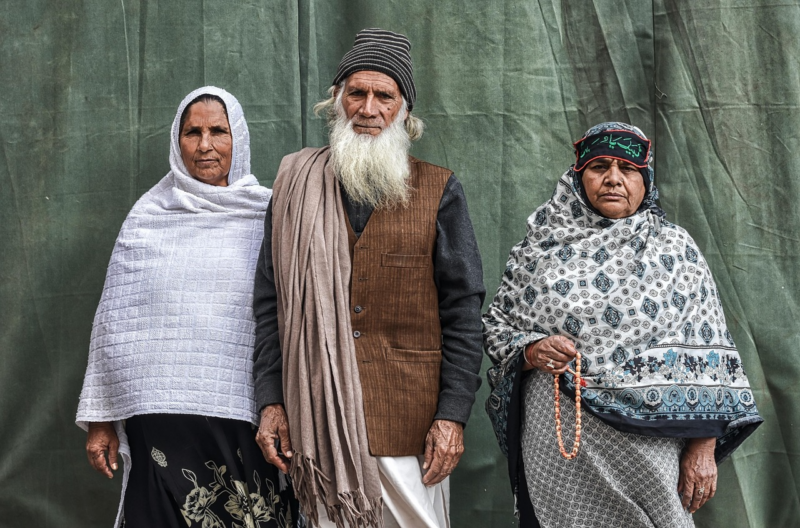
This study highlights that antimicrobial resistance (AMR) is not only a biomedical issue but is strongly shaped by social and structural inequalities. Using a gender and equity matrix in rural Pakistan, the authors show how factors such as gender norms, limited financial resources, and restricted access to care increase AMR risks. Women, in particular, face barriers including limited mobility, lower health literacy, and reduced decision-making power, often leading to delayed or inadequate treatment. These inequities affect susceptibility to infection, healthcare provision, and care-seeking behavior. The study concludes that addressing AMR in low- and middle-income settings requires gender-responsive health systems, improved provider–patient communication, and interventions that reduce economic and access barriers, with the matrix offering a practical framework to integrate equity considerations into AMR policy and practice.
OUR UNDERWRITERS
Unrestricted financial support by:
 |
Antimicrobial Resistance Fighter Coalition |
 |
INTERNATIONAL FEDERATION PHARMACEUTICAL MANUFACTURERS & ASSOCIATIONS |
 |
BD |
AMR NEWS
Your Biweekly Source for Global AMR Insights!
Stay informed with the essential newsletter that brings together all the latest One Health news on antimicrobial resistance. Delivered straight to your inbox every two weeks, AMR NEWS provides a curated selection of international insights, key publications, and the latest updates in the fight against AMR.
Don’t miss out on staying ahead in the global AMR movement—subscribe now!


