
Drought drives elevated antibiotic resistance across soils
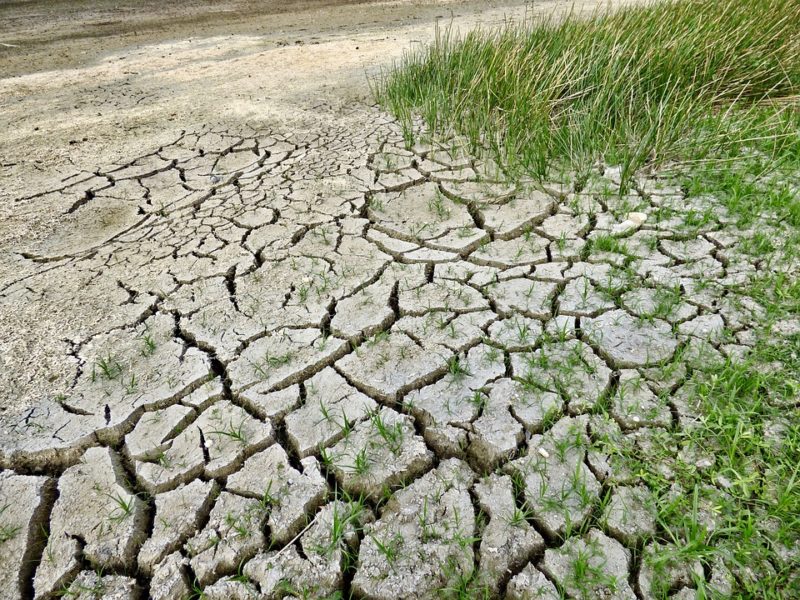
Antibiotic resistance is a growing threat to human health and is often attributed to excessive clinical usage that selects for resistance. Although many antibiotics are derived from soil microorganisms, how environmental changes to soil ecosystems might promote resistance is poorly understood. Here we establish drought as a driving force of antibiotic resistance in the soil, with potentially far-reaching public health consequences. Across various geographic regions and soil types, we consistently observe metagenomic signatures of enrichment for antibiotic producers under drought conditions. Experimentally, we demonstrate that drought-induced lowering of water content concentrates natural antibiotics, thereby intensifying selection against sensitive strains and favouring antibiotic-resistant bacteria. Using clinical surveillance data from 116 countries, we show that the average frequency of hospital antibiotic resistance is strongly correlated with the local aridity index, even after controlling for regional income differences. Together, our findings reveal an underrecognized link between climate factors and antibiotic resistance.
OUR UNDERWRITERS
Unrestricted financial support by:
 |
Antimicrobial Resistance Fighter Coalition |
 |
INTERNATIONAL FEDERATION PHARMACEUTICAL MANUFACTURERS & ASSOCIATIONS |
 |
BD |
AMR NEWS
Your Biweekly Source for Global AMR Insights!
Stay informed with the essential newsletter that brings together all the latest One Health news on antimicrobial resistance. Delivered straight to your inbox every two weeks, AMR NEWS provides a curated selection of international insights, key publications, and the latest updates in the fight against AMR.
Don’t miss out on staying ahead in the global AMR movement—subscribe now!


