
Multilocus sequence typing of antimicrobial-resistant zoonotic bacteria from shrimp aquaculture environments in Selangor, Malaysia
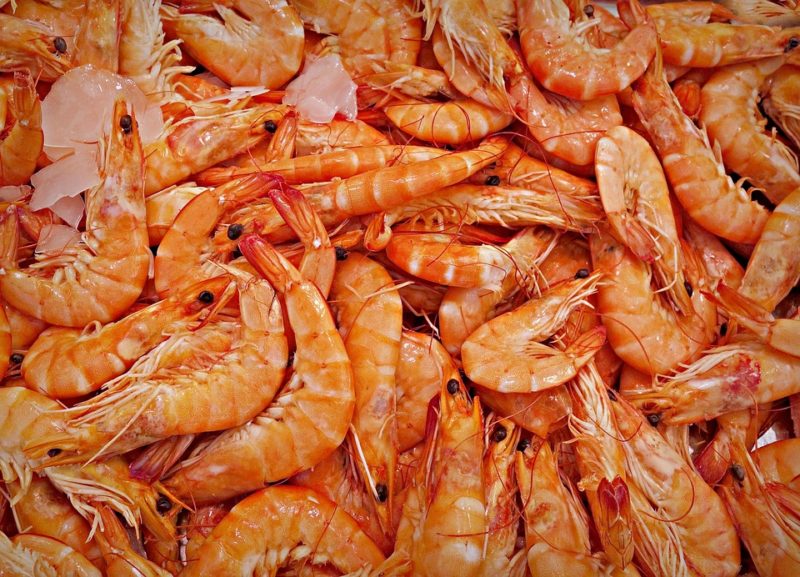
This study examined zoonotic bacteria in shrimp aquaculture environments in Selangor, Malaysia, focusing on Vibrio parahaemolyticus, Escherichia coli, and Salmonella—major pathogens associated with seafood-related illnesses. Using multilocus sequence typing (MLST), researchers identified several novel genetic sequence types, including multidrug-resistant (MDR) strains of V. parahaemolyticus and E. coli. Some strains showed genetic links to environmental sources in Asia, while others were related to animal-associated strains from North America. The findings suggest that shrimp aquaculture environments may act as reservoirs for zoonotic pathogens and antimicrobial resistance, highlighting potential risks for food safety and the global spread of resistant bacteria.
OUR UNDERWRITERS
Unrestricted financial support by:
 |
Antimicrobial Resistance Fighter Coalition |
 |
INTERNATIONAL FEDERATION PHARMACEUTICAL MANUFACTURERS & ASSOCIATIONS |
 |
BD |
AMR NEWS
Your Biweekly Source for Global AMR Insights!
Stay informed with the essential newsletter that brings together all the latest One Health news on antimicrobial resistance. Delivered straight to your inbox every two weeks, AMR NEWS provides a curated selection of international insights, key publications, and the latest updates in the fight against AMR.
Don’t miss out on staying ahead in the global AMR movement—subscribe now!


