
WHO and Boston University partner to tackle environmental-driven antimicrobial resistance in displaced communities
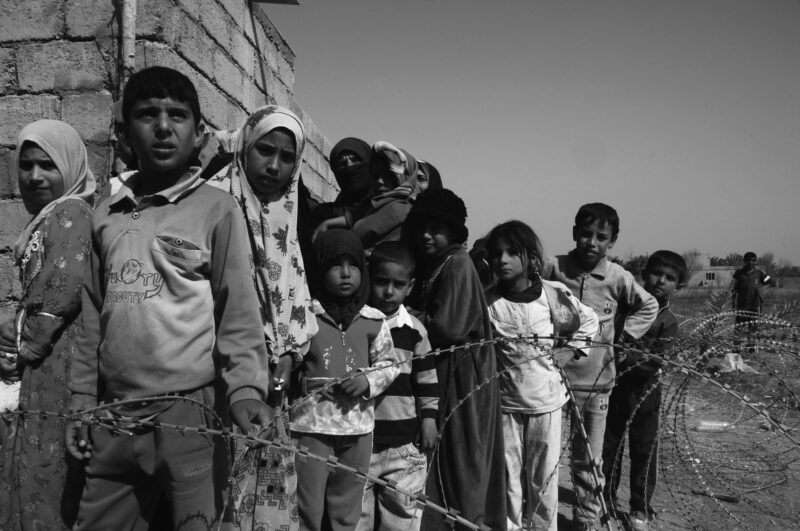
The World Health Organization (WHO) and Boston University have launched a five-year collaboration to study how environmental pollution contributes to antimicrobial resistance (AMR) in refugee and displaced communities. These populations often face overcrowding, poor sanitation, unsafe water, and limited healthcare—conditions that can accelerate the spread of drug-resistant infections. The partnership will investigate how environmental factors such as microplastics and other pollutants influence the spread of resistance genes, while also building regional research capacity and developing community-based AMR surveillance approaches tailored to displaced settings.
OUR UNDERWRITERS
Unrestricted financial support by:
 |
Antimicrobial Resistance Fighter Coalition |
 |
INTERNATIONAL FEDERATION PHARMACEUTICAL MANUFACTURERS & ASSOCIATIONS |
 |
BD |
AMR NEWS
Your Biweekly Source for Global AMR Insights!
Stay informed with the essential newsletter that brings together all the latest One Health news on antimicrobial resistance. Delivered straight to your inbox every two weeks, AMR NEWS provides a curated selection of international insights, key publications, and the latest updates in the fight against AMR.
Don’t miss out on staying ahead in the global AMR movement—subscribe now!


