
Nanomedicines in the treatment of methicillin-resistant Staphylococcus aureus
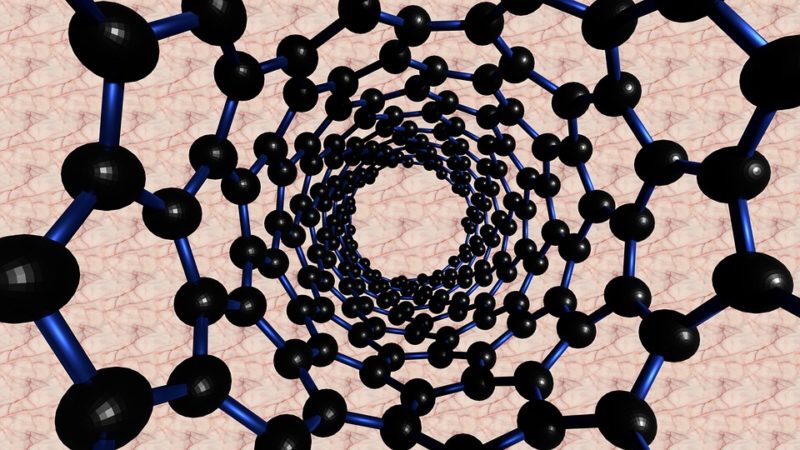
Methicillin-resistant Staphylococcus aureus (MRSA) remains a major global threat due to resistance to standard antibiotics and limited therapeutic options. This review outlines why conventional agents—such as β-lactams, glycopeptides, and last-line drugs—are increasingly ineffective and argues for fundamentally new approaches. It highlights five complementary nanotechnology strategies: (1) inorganic and metallic nanoparticles that disrupt biofilms, generate reactive oxygen species, or apply localized heat; (2) mesoporous and graphene-based platforms that can be functionalized to break down biofilm matrices and re-sensitize dormant bacteria; (3) biomimetic and stimuli-responsive systems that improve targeting and controlled drug release in MRSA-specific environments; (4) hybrid constructs combining antibiotics, photothermal therapy, or gene-editing tools to achieve synergy and limit resistance development; and (5) advanced delivery systems, such as in situ–forming hydrogels, that sustain high local drug levels in hard-to-treat infections. The review concludes by discussing translational hurdles—scalability, safety, AI-assisted design, and regulatory pathways—positioning nanotechnology as a shift toward precision, multi-modal therapies that could make MRSA a more manageable clinical target.
OUR UNDERWRITERS
Unrestricted financial support by:
 |
Antimicrobial Resistance Fighter Coalition |
 |
INTERNATIONAL FEDERATION PHARMACEUTICAL MANUFACTURERS & ASSOCIATIONS |
 |
BD |
AMR NEWS
Your Biweekly Source for Global AMR Insights!
Stay informed with the essential newsletter that brings together all the latest One Health news on antimicrobial resistance. Delivered straight to your inbox every two weeks, AMR NEWS provides a curated selection of international insights, key publications, and the latest updates in the fight against AMR.
Don’t miss out on staying ahead in the global AMR movement—subscribe now!


