
New tools saved a million lives from malaria last year but progress under threat as drug resistance rises
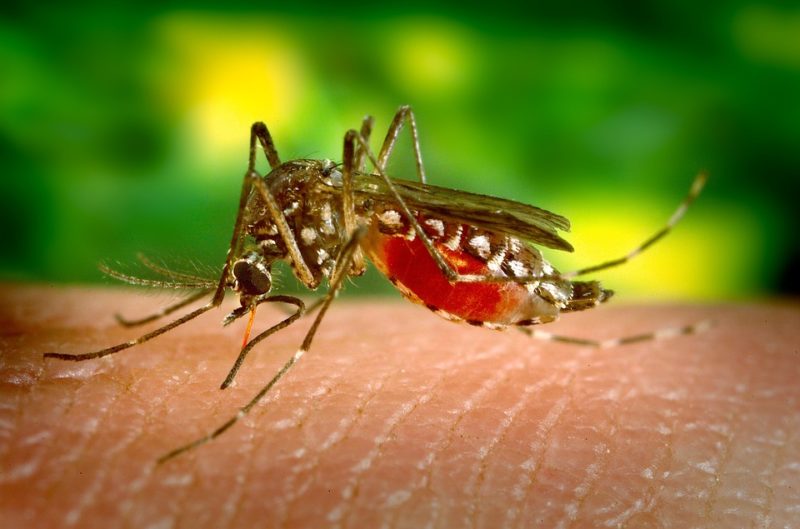
WHO’s latest World Malaria Report shows that wider use of new prevention tools — including dual-ingredient bed nets, malaria vaccines and expanded chemoprevention — helped avert an estimated 170 million malaria cases and 1 million deaths in 2024. Since the first WHO-approved malaria vaccines in 2021, 24 countries have introduced them into routine immunisation, while seasonal malaria chemoprevention now reaches 54 million children in 20 countries. Malaria elimination continues, with 47 countries and one territory now certified malaria-free.
Despite these gains, malaria remains a major global threat, with an estimated 282 million cases and 610,000 deaths in 2024, mostly in Africa and among children under five. Progress on reducing deaths is far off global targets, driven by growing drug and insecticide resistance, invasive mosquito species, unreliable diagnostics, climate shocks, conflict, and chronic funding shortfalls. Artemisinin resistance is spreading in Africa, while global malaria funding in 2024 reached only US$3.9 billion, less than half the 2025 target. WHO stresses that sustained political leadership, adequate financing, and the development of new medicines with novel mechanisms of action are essential to protect recent gains and keep the goal of a malaria-free world within reach.
OUR UNDERWRITERS
Unrestricted financial support by:
 |
Antimicrobial Resistance Fighter Coalition |
 |
INTERNATIONAL FEDERATION PHARMACEUTICAL MANUFACTURERS & ASSOCIATIONS |
 |
BD |
AMR NEWS
Your Biweekly Source for Global AMR Insights!
Stay informed with the essential newsletter that brings together all the latest One Health news on antimicrobial resistance. Delivered straight to your inbox every two weeks, AMR NEWS provides a curated selection of international insights, key publications, and the latest updates in the fight against AMR.
Don’t miss out on staying ahead in the global AMR movement—subscribe now!


