
Glyphosate resistance as a potential driver for the dissemination of multidrug-resistant clinical strains
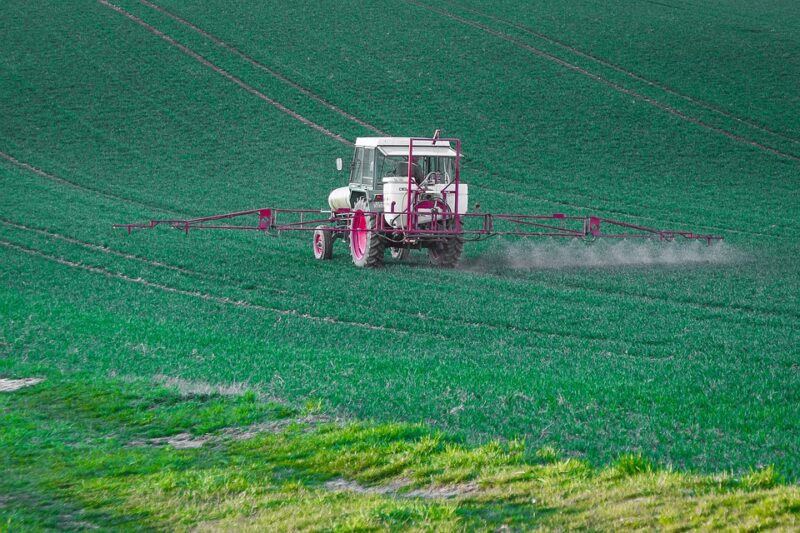
This study highlights that the widely used herbicide Glyphosate may contribute to the spread of antimicrobial resistance (AMR) by selecting for multidrug-resistant (MDR) bacteria in the environment. The authors show that MDR pathogens associated with hospital-acquired infections exhibit high levels of glyphosate resistance and that there is a genomic link between glyphosate-resistant environmental bacteria and clinically relevant MDR strains. Importantly, resistance appears not only driven by mutations in the herbicide’s target pathway but also by alternative mechanisms such as efflux pumps. These findings suggest that environmental exposure to glyphosate could favor bacteria that are more likely to cause difficult-to-treat infections, reinforcing the need to incorporate AMR considerations into the environmental risk assessment of biocides within a One Health framework.
OUR UNDERWRITERS
Unrestricted financial support by:
 |
Antimicrobial Resistance Fighter Coalition |
 |
INTERNATIONAL FEDERATION PHARMACEUTICAL MANUFACTURERS & ASSOCIATIONS |
 |
BD |
AMR NEWS
Your Biweekly Source for Global AMR Insights!
Stay informed with the essential newsletter that brings together all the latest One Health news on antimicrobial resistance. Delivered straight to your inbox every two weeks, AMR NEWS provides a curated selection of international insights, key publications, and the latest updates in the fight against AMR.
Don’t miss out on staying ahead in the global AMR movement—subscribe now!


