
Commensal and opportunistic bacteria resistant to fourth-generation cephalosporins or fluoroquinolones isolated from yellow-legged gulls (Larus michahellis) settled in Taranto, Southern Italy
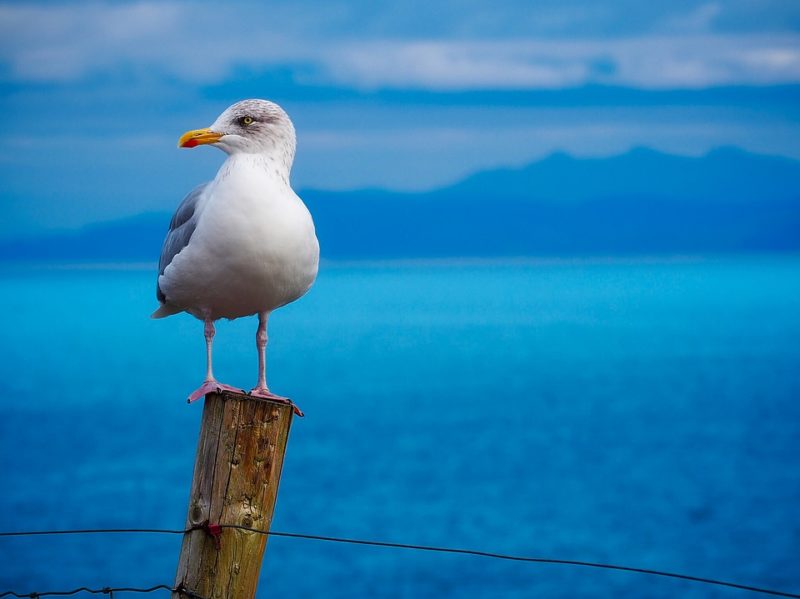
This study demonstrates that yellow-legged gulls (Larus michahellis) act as reservoirs and potential disseminators of antimicrobial resistance (AMR) at the interface of human and natural environments. From 15 nestlings, 27 bacterial strains resistant to the critically important antimicrobials cefepime and enrofloxacin were isolated, dominated by multidrug-resistant Enterobacter hormaechei. Additional resistant strains included Enterococcus spp. and Bacillus cereus complex. While no horizontal gene transfer was observed, high resistance levels to multiple other antibiotics were detected.
Overall, the findings indicate a widespread presence of clinically relevant resistant bacteria in seabirds, supporting the concept of bidirectional AMR circulation between anthropogenic sources and wildlife, with implications for transmission risks to humans, livestock, and ecosystems.
OUR UNDERWRITERS
Unrestricted financial support by:
 |
Antimicrobial Resistance Fighter Coalition |
 |
INTERNATIONAL FEDERATION PHARMACEUTICAL MANUFACTURERS & ASSOCIATIONS |
 |
BD |
AMR NEWS
Your Biweekly Source for Global AMR Insights!
Stay informed with the essential newsletter that brings together all the latest One Health news on antimicrobial resistance. Delivered straight to your inbox every two weeks, AMR NEWS provides a curated selection of international insights, key publications, and the latest updates in the fight against AMR.
Don’t miss out on staying ahead in the global AMR movement—subscribe now!


