
Changes in antimicrobial resistance profiles of Escherichia coli and the metagenome on Dutch pig farms after antimicrobial usage interventions
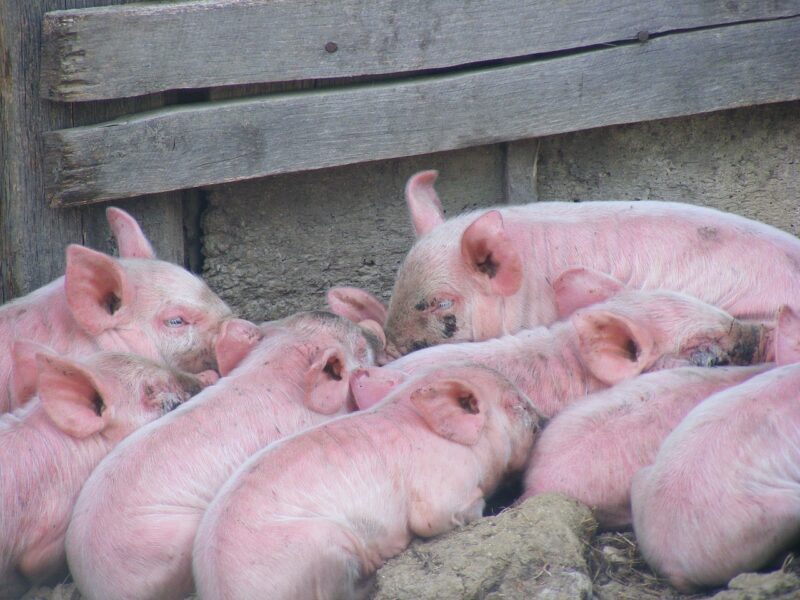
A study on 45 Dutch pig farms shows that tailored, coaching-based veterinary stewardship interventions can effectively reduce antimicrobial use (AMU) and, in parallel, lower the abundance of antimicrobial resistance (AMR) genes in the farm environment. Using both phenotypic testing of Escherichia coli and metagenomic analysis of faecal samples, researchers observed declines in overall resistome levels over 10–27 months, although changes in phenotypic resistance were more variable. Importantly, reduced AMU was linked to decreased resistance to specific antibiotic classes such as tetracyclines and beta-lactams, indicating that targeted stewardship can deliver measurable short-term AMR reductions at the livestock farm level, while longer-term impacts still require further evaluation.
OUR UNDERWRITERS
Unrestricted financial support by:
 |
Antimicrobial Resistance Fighter Coalition |
 |
INTERNATIONAL FEDERATION PHARMACEUTICAL MANUFACTURERS & ASSOCIATIONS |
 |
BD |
AMR NEWS
Your Biweekly Source for Global AMR Insights!
Stay informed with the essential newsletter that brings together all the latest One Health news on antimicrobial resistance. Delivered straight to your inbox every two weeks, AMR NEWS provides a curated selection of international insights, key publications, and the latest updates in the fight against AMR.
Don’t miss out on staying ahead in the global AMR movement—subscribe now!


